
Planting
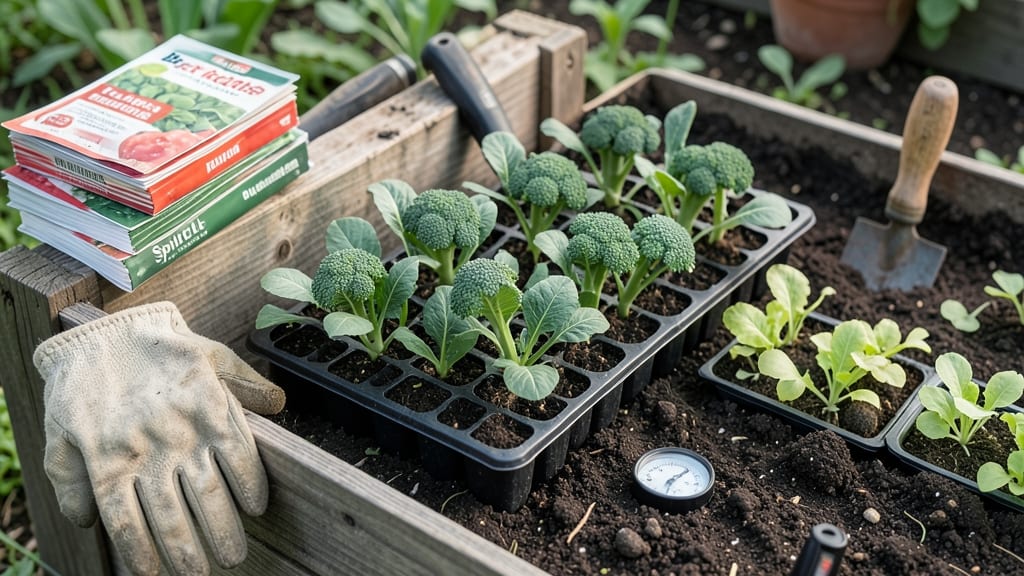
Planting a vegetable garden in New Jersey requires knowing the exact timing to beat frost and maximize harvests — and missing the window means wasted seeds or stunted growth.
New Jersey gardeners know timing is everything — plant too early, and frost will wipe out your hard work; too late, and you’ll miss peak harvests. But with NJ’s unique microclimates and hardiness zones, figuring out the perfect planting window can feel overwhelming.
From coastal areas with milder winters to inland regions where frost lingers longer, the right schedule depends on where you live. Whether you’re growing cool-season greens like spinach or warm-season favorites like tomatoes, getting it right means fewer disappointments and more homegrown meals.
Here’s the best way to plan your NJ garden: we’ll break down frost dates by zone, the ideal months for each crop, and how to adjust for microclimates — so you can start planting with confidence.
NJ frost dates & hardiness zones: the critical timeline for planting
New Jersey spans USDA Hardiness Zones 6b to 7a, creating a 10-14 day difference in frost dates across the state. These zones dictate when to plant cool-season crops like spinach and warm-season crops like tomatoes.
Understanding your exact last spring frost and first fall frost dates is the key to avoiding frost damage and maximizing yields.
Most of northern NJ (Zone 6b) experiences its last spring frost between April 15 and May 1, while southern NJ (Zone 7a) typically sees frost-free conditions by March 20 to April 15.
The first fall frost arrives earlier in the north (October 15-30) compared to the south (November 1-15).
These dates create a 120-150 day growing season in northern NJ and a 150-180 day season in the south.
For cool-season crops, this means planting as early as March in southern NJ and waiting until April in the north. Warm-season crops must wait until all danger of frost has passed, usually after May 15 statewide.
Here’s how to use this frost-free timeline to plan your vegetable garden:
| Region/Zones | Last Spring Frost | First Fall Frost | Growing Season | Cool-Season Planting | Warm-Season Planting |
|---|---|---|---|---|---|
| Northern NJ (Zone 6b) | April 15-May 1 | October 15-30 | 120-150 days | March-April (spinach, peas) | After May 15 (tomatoes, peppers) |
| Central NJ (Zone 6b/7a) | April 1-May 15 | October 30-Nov 15 | 130-160 days | March-April (kale, broccoli) | After May 1 (cucumbers, beans) |
| Southern NJ (Zone 7a) | March 20-April 15 | November 1-15 | 150-180 days | February-March (lettuce, carrots) | After April 15 (eggplant, okra) |
📍 Check your exact location using the USDA Plant Hardiness Zone Map for precise timing.
For cool-season crops, plant 4-6 weeks before your last spring frost date. For example, in Zone 6b, this means starting spinach and peas in early March. In Zone 7a, you can begin as early as February for early varieties.
Warm-season crops like tomatoes and peppers need consistent soil temperatures above 60°F. In northern NJ, this typically means waiting until after May 15. Use soil thermometers to confirm—55°F is the minimum for safe planting.
Extend your fall harvests by planting cool-season crops like kale and radishes 6-8 weeks before your first frost. In Zone 6b, this means late July to early August plantings. Use row covers to protect tender plants from early frosts.
Microclimates matter! Coastal areas (like Cape May) have longer growing seasons due to moderating ocean breezes, while inland valleys (like the Delaware Water Gap) may experience earlier frosts. Adjust your planting dates accordingly—sometimes by 1-2 weeks.
Pro tip: Use frost-sensitive plants like basil or okra as natural indicators. If they thrive without protection, your garden is truly frost-free. If they wilt, wait another week before planting heat-loving crops.
For real-time updates, bookmark the NJ Agricultural Experiment Station’s frost date tracker or use apps like Frost Date Finder. These tools account for year-to-year variations and help you fine-tune your planting schedule. Happy gardening! 🌱
Best months to plant popular vegetables in NJ (by crop type)
New Jersey’s climate lets you grow everything from crisp spring lettuce to heat-loving tomatoes, but timing is critical. Cool-season crops like broccoli and peas thrive in early spring or fall, while warm-season favorites need to wait until soil warms.
Here’s my breakdown of the best planting months for NJ’s top vegetables, organized by crop type.
For cool-season vegetables, start seeds indoors 6-8 weeks before your last frost date (typically mid-April for most of NJ) or sow directly in early spring. Hardy greens like spinach and kale can even handle light frost, while onions and carrots prefer cooler soil.
In fall, replant these crops 8-10 weeks before your first frost (usually late October in Zone 6b).
Warm-season crops like tomatoes, peppers, and beans need to wait until after the last frost—usually late May in northern NJ and early May in southern coastal areas.
These plants thrive in warm soil (at least 60°F) and won’t tolerate cold snaps. Succession planting every 2-3 weeks ensures a steady harvest through summer and early fall.
Plant lettuce, spinach, and broccoli in March-April or August-September for fall harvests. Use row covers for early spring protection.
Sow tomatoes, peppers, and squash after May 15 in most of NJ. Start seeds indoors in March-April for transplanting.
Plant kale, collards, and arugula in early spring or late summer for overwintering. Mulch heavily to protect from frost.
For bush beans and radishes, sow new seeds every 2 weeks from May-July to extend harvests. This works for lettuce too in fall.
Don’t overlook NJ-specific varieties that thrive in our climate. For example, ‘Jersey Giant’ tomatoes and ‘Walla Walla’ onions are well-adapted to NJ’s conditions.
If you’re in coastal areas, you can plant warm-season crops slightly earlier (like early May) thanks to milder temperatures, while inland gardeners should wait until late May.
Pro tip: Use frost cloth or row covers to extend your planting window for cool-season crops in early spring or late fall. This lets you grow spinach or radishes even in March or October, giving you an earlier or later harvest.
Just remove covers when plants start flowering to prevent overheating.
Remember, soil temperature matters just as much as air temperature. Use a soil thermometer to check that it’s at least 50°F for cool-season crops and 60°F+ for warm-season plants before planting. In NJ, this usually aligns with mid-April for greens and late May for tomatoes, but always verify.