
Planting
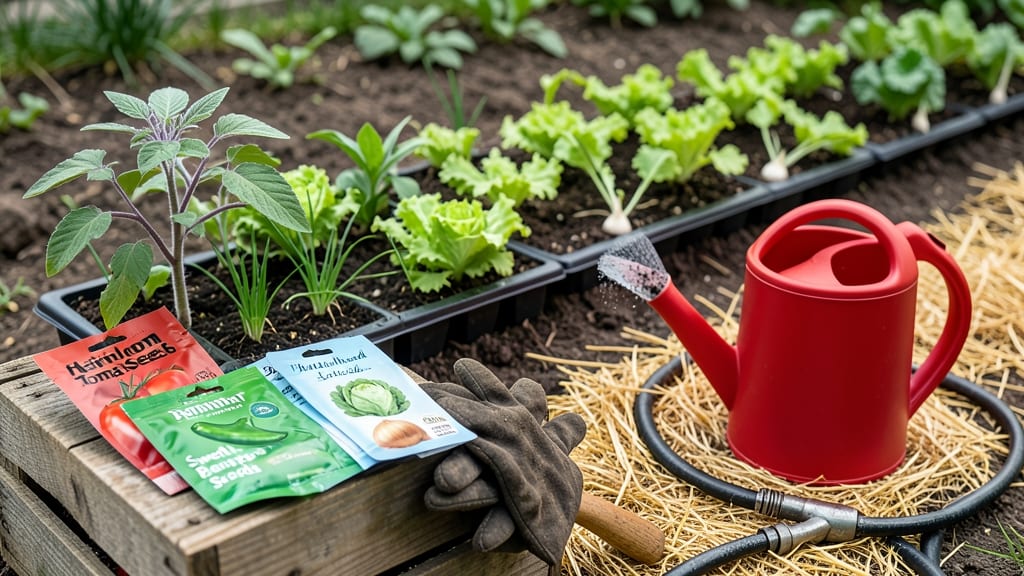
Planting a vegetable garden in Missouri at the right time means the difference between a thriving harvest and wilted seedlings 🥕 — and the key is knowing when to start seeds indoors, transplant tender crops, and set cool-season plants.
Missouri’s diverse climate—from humid summers to harsh winters—means planting your vegetable garden at the wrong time can spell disaster for your crops. But with the right timing, you’ll enjoy a bountiful harvest of tomatoes, zucchini, and more, no matter which of Missouri’s six growing zones you’re in.
Cool-season crops like lettuce and peas need to go in the ground 4-6 weeks before your last frost (typically mid-April in most zones), while warm-season favorites like tomatoes and peppers wait until after May 15 to avoid frost damage.
I’ll break down the exact planting windows for your zone and the best crops to grow each month.
You’ll also learn how to adjust for early or late frosts, protect tender seedlings, and even extend your growing season with simple tricks like row covers. By the end, you’ll have a clear, zone-specific plan to get your Missouri vegetable garden off to the fastest, most productive start.
Missouri’s frost-free dates by Zone: the exact timing for planting vegetables
Missouri spans USDA Plant Hardiness Zones 5a to 7a, with frost dates that vary dramatically from north to south. In Zone 5a (northwest Missouri), the average last frost arrives around April 25, while Zone 7a (southeast Missouri) sees its last frost as early as March 15.
These differences mean your planting schedule should shift based on your location to avoid frost damage to tender seedlings.
Cool-season crops like lettuce, spinach, and peas thrive when planted 4-6 weeks before your last frost date. For example, in Zone 6a (central Missouri), that means starting seeds indoors in early March for a late-April transplant.
Warm-season crops like tomatoes, peppers, and cucumbers need to wait until 2 weeks after your last frost to ensure soil temperatures stay above 55°F.
Here’s a quick reference for Missouri’s frost-free zones and ideal planting windows:
| Zone | Avg. Last Frost | Cool-Season Planting | Warm-Season Planting | Frost-Free Days |
|---|---|---|---|---|
| 5a (NW MO) | April 25 | March 15 (indoors) | May 10 (after frost) | 150-160 days |
| 5b (N. MO) | April 15 | March 1 (indoors) | April 25 (after frost) | 160-170 days |
| 6a (Central MO) | April 1 | February 25 (indoors) | April 15 (after frost) | 170-180 days |
| 6b (SW MO) | March 25 | February 15 (indoors) | April 5 (after frost) | 180-190 days |
| 7a (SE MO) | March 15 | January 30 (indoors) | March 25 (after frost) | 190-200 days |
Missouri’s northern zones (5a-5b) have shorter growing seasons, so prioritize fast-maturing varieties like bush beans (50 days) or radishes (25 days). In southern zones (6b-7a), you can afford slower growers like squash (70 days) or corn (90 days) because the frost-free window stretches nearly 6 months.
For succession planting, use the 14-day rule: Sow small batches of lettuce, carrots, or beets every two weeks after your last frost. This ensures a continuous harvest instead of one overwhelming bounty.
For example, in Zone 6a, plant a new row of radishes every 10 days from April to August for fresh greens all season.
Don’t forget about fall planting! Cool-season crops like kale, broccoli, and spinach can be sown as early as July in Zone 7a or August in Zone 5a for a late-winter harvest.
Aim to plant 8-10 weeks before your first frost, which typically arrives between October 15 and November 1, depending on the zone.
Local microclimates can shift frost dates by 1-2 weeks, so monitor your area’s local weather station or use the Missouri Botanical Garden’s frost calendar. Urban areas may experience heat islands that delay frost, while rural spots can be colder.
If you’re unsure, err on the side of caution and use row covers for early plantings in Zone 5a.
Pro tip: Mark your calendar with three key dates—your last frost date, first frost date, and the average 86°F date (when warm-season crops really take off).
For Zone 6a, those dates are roughly April 1, October 15, and June 15, respectively. Adjust based on your zone for perfect timing!
By aligning your planting schedule with Missouri’s frost-free zones, you’ll maximize yields and avoid the heartbreak of frost-nipped seedlings.
Start with cool-season crops in early spring, transition to warm-season plants after frost, and finish with fall harvests before winter sets in—your garden will thank you with a bountiful, year-round supply of fresh produce. 🌱
Best vegetables to plant in Missouri by season: a month-by-month guide
Now that you know your frost-free dates, let's dive into the best vegetables to plant each month in Missouri. Timing is everything—whether you're growing crisp lettuce in spring or sweet corn in summer.
This month-by-month guide aligns with Missouri’s USDA Zones 5a-7a, ensuring you get the most from your garden all year.
For Zone 6a (central Missouri), I’ll focus on the most popular and productive crops, but adjust dates 1-2 weeks earlier for Zone 7a and 1-2 weeks later for Zone 5a.
For example, if I say "plant in May," Zone 7a gardeners can start in late April, while Zone 5a should wait until early June for warm-season crops.
- March: Start cool-season crops indoors—lettuce, spinach, kale, and peas. Transplant onion sets and potatoes after soil warms to 40°F.
- April: Plant radishes, carrots, beets (direct sow), and cabbage. Harden off tomato and pepper seedlings for transplanting after last frost.
- May: Transplant tomatoes, peppers, cucumbers, and squash. Sow green beans, corn, and zucchini directly into warm soil.
- June: Direct-sow pumpkins, winter squash, and late tomatoes. Succession-plant bush beans every 2 weeks for continuous harvests.
- July: Start fall crops like kale, broccoli, and spinach. Plant garlic for next year’s harvest and cover crops to protect soil.
- August: Sow turnips, radishes, and lettuce for fall harvests. Harvest warm-season crops before first frost (e.g., tomatoes by late September).
- September: Direct-sow cool-season crops like carrots, beets, and peas for winter harvests. Mulch garlic and onion sets for spring planting.
Let’s break down succession planting for continuous harvests. For example, bush beans mature in 50-60 days, so plant a new row every 2 weeks from May to July in Zone 6a.
This ensures fresh beans from late June through September. Similarly, lettuce bolts in heat, so stagger plantings every 3 weeks from March to August for a steady supply.
Don’t overlook fall planting—it’s when kale, carrots, and spinach taste their sweetest after a light frost. In Zone 6a, sow broccoli in July for harvests in October-November. Use row covers to extend the season by 2-4 weeks in colder zones like 5a.
For Zone 7a, you can even plant spinach in September for a winter harvest before the first hard frost.
Pro tip: Keep a gardening journal to track what thrives in your microclimate. Note which varieties perform best—like ‘Striped Roman’ tomatoes for heat tolerance or ‘Rainbow Carrot’ mixes for color.
Adjust planting dates based on your observations, and soon you’ll have a personalized schedule tailored to your Missouri garden’s success. 🌱
With this month-by-month guide, you’ll avoid the common pitfalls of planting too early or too late. Whether you’re a beginner gardener or a seasoned pro, these timelines will help you grow a productive, year-round vegetable garden in Missouri’s diverse climate. Happy planting! ✂️