
Planting
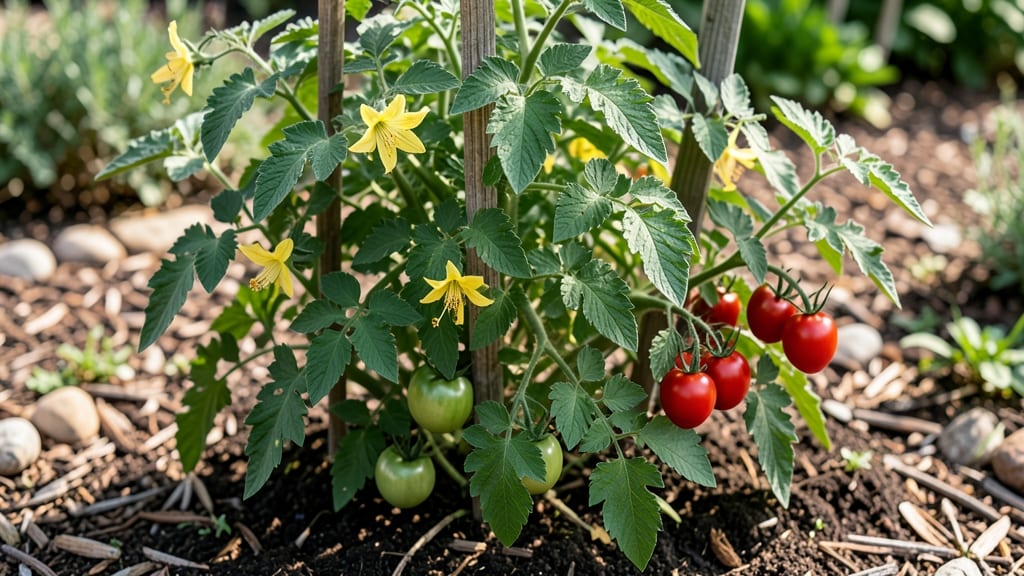
From one tomato plant 🍅, you can harvest anywhere from 10 to 50 pounds of fruit—depending on the variety, care, and a little luck.
Picture this: a single indeterminate cherry tomato plant bursting with clusters of sweet, bite-sized fruit all summer long, while a determinate beefsteak variety delivers a handful of massive, juicy tomatoes in one go. The difference isn’t just in the quantity but in how you’ll use them—salsa, sauces, or sandwiches.
Sunlight, soil, and spacing play a bigger role than most gardeners realize. A plant with full sun, rich soil, and proper pruning can double its yield, while poor conditions leave you wondering why your $5 seedling didn’t pay off.
I’ll show you how to maximize every plant’s potential, so you’re not left with half the harvest you expected.
By the end, you’ll know exactly what to expect from your tomato plant—whether you’re growing one for the table or planning a garden that feeds the neighborhood. Let’s get started.
Tomato yield estimates by variety: determinate vs indeterminate plants
The number of tomatoes from one plant varies dramatically based on whether it's a determinate (bush) or indeterminate (vining) variety. This difference isn't just about plant size—it affects your entire harvest strategy.
Determinate plants produce all their fruit at once, while indeterminate varieties keep giving until frost. Let's compare the two so you can choose the right type for your garden goals.
Determinate tomatoes are the workhorses of small gardens. They grow to a fixed height (usually 3-5 feet) and produce fruit in a single, massive flush. This makes them ideal for canning and sauces, but their yield per plant is limited compared to their vining cousins.
Indeterminate varieties, on the other hand, grow continuously throughout the season, often reaching 6-10 feet tall with proper support, and produce fruit until cold weather stops them.
Here's where it gets interesting: a single indeterminate cherry tomato plant can produce 20-30 pounds of fruit in a great season, while a determinate beefsteak might give you just 8-12 pounds total.
The difference comes down to plant structure and how gardeners manage them. Let me show you the real-world numbers you can expect from popular varieties in both categories.
Take the Roma tomato for example—a determinate variety that's a canner's dream. A single plant can produce 10-15 pounds of plump, meaty fruit perfect for sauces, but only in one harvest window. This makes them fantastic for small-space gardens where you need reliable production without the upkeep of vining plants.
The trade-off? You'll need multiple plants to get the same volume as one indeterminate variety.
Now consider indeterminate cherry tomatoes like 'Sweet 100' or 'Sun Gold'. These varieties can produce 2
How growing conditions dramatically affect tomato production
Your tomato plant's yield potential isn't set in stone—it's directly tied to the growing conditions you provide. A single indeterminate tomato plant, like a Sungold cherry variety, can produce anywhere from 20 to 50 pounds of fruit in ideal conditions.
But drop the sunlight to partial shade or skip regular watering, and you might see that number shrink by 50% or more. The right conditions turn a modest plant into a high-yielding powerhouse.
Let’s break down the four critical factors that determine how many tomatoes your plant will bear: sunlight exposure, water availability, soil quality, and pruning practices. Each of these can double—or halve—your harvest.
For example, a beefsteak tomato in full sun with consistent care might yield 8-12 large fruits per plant, while the same plant in poor conditions could produce just 3-4. The difference comes down to how well you optimize these variables.
🌱 Key Yield Factors for One Tomato Plant
| Factor | Ideal Condition | Yield Impact |
|---|---|---|
| Sunlight | 6-8 hours/day | +50% more fruit |
| Water | 1-2 gallons, morning | Prevents blossom drop |
| Soil | pH 6.0-6.8, rich compost | Faster growth, bigger fruit |
| Pruning | Remove suckers weekly | +30% yield in vining types |
💡 Pro Tip: Combine all four factors for a 3x yield boost from a single plant!
Sunlight is the foundation of tomato production. Tomatoes are sun-worshippers, and 6-8 hours of direct sunlight per day is non-negotiable. If your plant gets less than 5 hours, it will struggle to set fruit, leading to smaller yields and underdeveloped tomatoes.
For example, a Roma tomato in full sun might produce 20-30 fruits per plant, while the same plant in partial shade could yield just 5-10. Even container-grown tomatoes need a sunny spot—rotate pots daily if necessary to ensure even exposure.
Watering is another game-changer. Tomatoes need consistent moisture, especially during flowering and fruiting. Drought stress causes blossoms to drop before they turn into fruit, while overwatering can lead to blossom-end rot.
Aim for 1-2 gallons per plant every 3-5 days, watering deeply at the base of the plant in the morning. Mulching with straw or shredded leaves helps retain moisture and keeps roots cool, which can increase your yield by up to 25%.
Soil quality makes or breaks your tomato harvest. Tomatoes thrive in well-draining, nutrient-rich soil with a pH between 6.0 and 6.8. If your soil is clay-heavy or sandy, amend it with compost or aged manure before planting.
A single plant in poor soil might produce 50% fewer tomatoes than one in enriched soil. For example, a heirloom tomato like Brandywine in ideal soil can yield 15-20 pounds per plant, but in compacted or nutrient-poor soil, that number drops to 5-8 pounds.
Finally, pruning plays a crucial role, especially for indeterminate varieties. Regularly removing suckers (the small shoots that form in the leaf axils) redirects the plant’s energy toward fruit production rather than leaf growth. Pruning can boost your yield by 30-40% by improving airflow and reducing disease risk.
For determinate varieties, like Celebrity tomatoes, minimal pruning is needed—they produce fruit all at once, so focus on supporting the plant with cages or stakes to prevent breakage.
Climate also plays a role. In hot, humid climates, tomatoes may struggle with disease pressure, while cool, short seasons can limit fruit development.
If you’re in a Zone 5 or colder, opt for early-maturing varieties like Stupice or Mountain Merit, which can produce a full harvest in just 60-70 days. In warmer zones, you can extend the season by planting heat-tolerant varieties like Solar Fire or Heatmaster.