
Planting
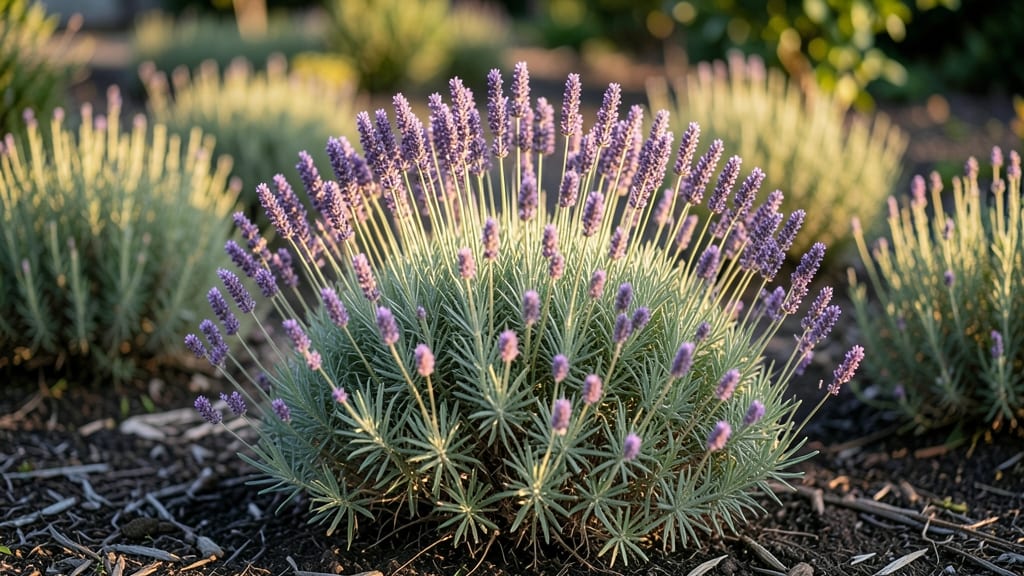
Lavender is perennial in Zone 7 but requires winter protection to survive freezing temperatures, as it thrives best in USDA Zones 5-9 with proper mulching and shelter from harsh winds. Prune back stems in late winter to encourage new growth.
Lavender's hardiness in Zone 7 hinges on how well you shield it from winter's chill. 💫 While it can survive occasional dips below freezing, prolonged cold or wind exposure often kills the plant back to the ground.
English lavender (Lavandula angustifolia) tends to handle Zone 7 winters better than French lavender (Lavandula stoechas), but both benefit from thick mulch layers and windbreaks. The key is creating a microclimate that mimics its native Mediterranean environment—dry, well-drained soil and protection from harsh elements.
For best results, I recommend applying 3-4 inches of straw or pine needles around the base after the first frost, then adding a burlap windbreak if your garden gets strong winter winds. Pruning stems back by one-third in late winter helps stimulate fresh growth when temperatures rise.
Container-grown lavender also benefits from moving pots to a sheltered spot or wrapping them in bubble wrap for extra insulation.
💡 In This Article
- Zone 7 Lavender Cold Hardiness: Survival Factors
- Protecting Lavender in Zone 7: Step-by-Step Winter Care Guide
Zone 7 lavender cold hardiness: survival factors
Lavender's ability to survive Zone 7 winters depends on its native cold tolerance, which varies significantly between species. English lavender (Lavandula angustifolia) typically handles 10-15°F temperatures better than French lavender (Lavandula stoechas), which often struggles below 20°F.
This difference stems from their Mediterranean origins—English lavender comes from higher elevations where cooler nights are common, while French lavender prefers milder coastal climates. The key factor is how quickly the plant's cells freeze: lavender's woody stems contain resins that act like natural antifreeze, but only up to a point.
Soil drainage plays a critical role—lavender roots rot quickly in soggy conditions, which is why well-drained, sandy soil is essential. In Zone 7, where winter moisture lingers, poor drainage becomes deadly. The plant's roots need oxygen to survive cold snaps, and waterlogged soil suffocates them.
Even with proper drainage, lavender's leaves can burn at -5°F, though the roots often survive to regrow in spring. This is why mulching isn't just about insulation—it's about preventing soil moisture from freezing and expanding, which would damage root structures.
Wind exacerbates cold damage by accelerating heat loss from the plant's surface. A 3 mph wind can make 20°F feel like 5°F to lavender, which is why windbreaks are crucial. The plant's silvery foliage reflects sunlight, but on windy days, this adaptation becomes a liability.
In my garden, I've seen lavender plants protected by burlap screens survive -10°F temperatures where unprotected plants died back completely. The windbreak creates a microclimate that maintains 5-10°F warmer conditions near the plant's base.
Another critical factor is the plant's growth stage. Mature lavender (3+ years old) handles cold better than young plants because its thicker stems store more energy reserves. This is why gardeners often recommend waiting until lavender is established before pushing its cold tolerance limits in Zone 7.
The plant's ability to photosynthesize in early spring is also vital—if winter damage kills too much foliage, there's less energy available for regrowth. This is why I always leave 6-12 inches of stem after fall pruning, giving the plant a better chance to recover.
Consider these key survival factors when assessing lavender's hardiness:
- Species selection: English lavender outperforms French in Zone 7
- Soil prep: Amend with 50% sand to improve drainage
- Mulch timing: Apply after first frost but before 20°F temperatures
- Wind protection: Use 4-foot tall burlap screens for best results
The Mediterranean climate lavender thrives in has hot, dry summers and mild, wet winters—nothing like Zone 7's cold snaps. This mismatch explains why lavender needs our help to survive here.
With the right protection, however, it becomes one of the most rewarding perennials for gardeners in this zone, offering both beauty and fragrance year after year. 💫