
Planting
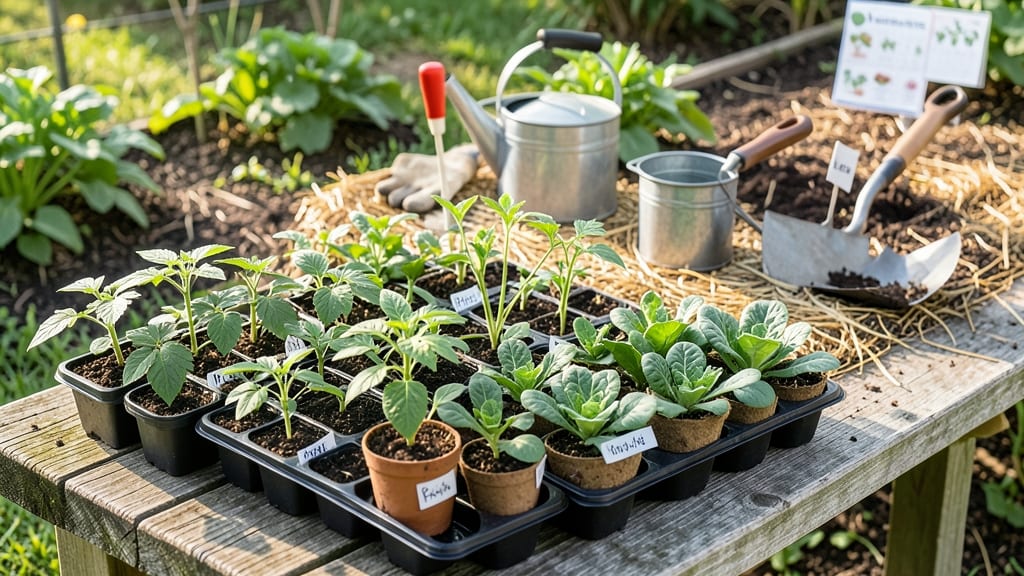
Planting a vegetable garden in Mississippi at the right time means catching the 220 frost-free days between mid-March and mid-November—or risking stunted crops and wasted effort.
Mississippi’s long growing season and humid climate offer gardeners a prime opportunity—but planting too early or late can ruin your harvest. Timing your 🌱 vegetable garden correctly means avoiding frost damage, heat stress, and pests while maximizing yield.
In USDA zones 7b-9a, cool-season crops like broccoli and spinach thrive when planted in February-March, while warm-season favorites such as tomatoes and peppers need to wait until after the last frost in April.
The key? Adjusting for your specific region, whether you're in North Mississippi’s cooler pockets or the South’s earlier springs.
Below, I break down the exact planting windows for your zone, crop-specific tips for Mississippi’s heat and humidity, and how to stretch your harvest with smart timing—so you’re not left with empty rows or overripe produce.
Mississippi’s frost dates and heat zones: your planting calendar guide
Mississippi’s USDA hardiness zones 7b through 9a create a unique gardening environment where you can grow a wide variety of vegetables year-round. Understanding your frost dates and heat zones is the first step to planning a successful vegetable garden.
In most of the state, the average last frost date falls between March 15 and April 15, while the first frost typically arrives between November 1 and December 15, depending on your specific location.
Northern Mississippi (Zones 7b-8a) tends to have earlier frosts, while southern regions (Zones 8b-9a) enjoy longer growing seasons. This means gardeners in South Mississippi can plant warm-season crops like tomatoes and peppers 2-3 weeks earlier than those in North Mississippi.
Knowing these differences helps you avoid frost damage to tender plants and maximize your harvest.
For cool-season crops like broccoli, spinach, and lettuce, you’ll want to plant them 4-6 weeks before your last frost date. This gives them enough time to mature before the heat of summer slows their growth.
Conversely, warm-season crops such as okra, sweet potatoes, and peppers should be planted 2-3 weeks after your last frost date, once soil temperatures reach at least 60°F.
Here’s a quick reference for Mississippi’s planting windows based on your zone and frost dates:
| Zone | Last Frost Date | First Frost Date | Cool-Season Planting | Warm-Season Planting |
|---|---|---|---|---|
| 7b (North MS) | March 15 - April 1 | November 15 - December 1 | February 15 - March 15 | April 15 - May 1 |
| 8a (Central MS) | March 22 - April 8 | November 1 - November 15 | February 28 - March 22 | April 1 - April 15 |
| 8b (South MS) | April 1 - April 15 | November 15 - December 1 | March 15 - April 1 | April 15 - May 1 |
| 9a (Extreme South MS) | April 15 - May 1 | December 1 - December 15 | March 22 - April 8 | April 30 - May 15 |
If you’re planting warm-season crops like tomatoes or peppers, wait until the soil temperature reaches at least 60°F to prevent stunted growth. You can check soil temperature with a soil thermometer or use the back-of-the-hand test—if the soil feels warm to your skin, it’s ready for planting.
For cool-season crops, start seeds indoors 6-8 weeks before the last frost or sow directly into the garden 4-6 weeks before to ensure a head start.
Mississippi’s humid climate also means you’ll need to be mindful of pests and diseases, especially during the hot summer months. Planting fast-maturing varieties of vegetables can help you avoid the worst of the heat and humidity.
For example, bush beans and zucchini can be harvested in as little as 50-60 days, making them ideal for Mississippi’s short but intense growing season.
Don’t forget about fall planting! Many gardeners overlook the opportunity to grow vegetables in the fall, but cool-season crops like kale, carrots, and radishes thrive in Mississippi’s mild autumn temperatures. Plant these 6-8 weeks before your first frost date to enjoy a second harvest before winter sets in.
Using row covers or cold frames can extend your growing season even further, allowing you to grow greens well into December.
For gardeners in Zone 9a, where frost is rare, you can even plant some crops like broccoli and cabbage in the fall for a winter harvest. Just be prepared to protect them from any unexpected cold snaps with lightweight row covers or mulch blankets.
This flexibility is one of the many perks of gardening in Mississippi’s warmer zones!
To make the most of your planting schedule, keep a gardening journal to track your frost dates, soil temperatures, and plant progress year after year. Over time, you’ll develop a deeper understanding of your local microclimate and fine-tune your planting strategy for even better results. Happy gardening!
Best vegetables to plant by month in Mississippi (with exact timing)
Mississippi’s warm climate lets you grow vegetables year-round, but timing is everything. Cool-season crops thrive in spring and fall, while warm-season favorites need summer’s heat. Start by checking your last frost date (typically March 15) and first frost (around November 15) to plan your schedule.
For cool-season vegetables, like broccoli and spinach, plant 4-6 weeks before the last frost. Warm-season crops, such as tomatoes and peppers, should go in 2-3 weeks after the last frost.
Below, I’ve broken down the best vegetables to plant each month, including soil temperature requirements and harvest windows.
📅 Mississippi Planting Timeline by Month
- February-March: Plant cool-season crops like spinach, lettuce, and peas (soil temp: 40-50°F). Start onions and broccoli indoors.
- April: Sow carrots, radishes, and kale (soil temp: 50-60°F). Transplant cabbage and Brussels sprouts.
- May: Begin warm-season crops like tomatoes, peppers, and squash (soil temp: 60°F+beans and corn after last frost.
- June-July: Direct-sow okra, sweet potatoes, and southern peas (soil temp: 70°F+lettuce and spinach for fall harvest.
- August-September: Plant fall broccoli, cabbage, and kale (soil temp: 50-60°Fonions and garlic for next year.
- October-November: Sow hardy greens like spinach and arugula (soil temp: 40-50°Fextended harvests.
Mississippi’s humid summers can stress plants, so mulch heavily to retain moisture and water deeply in the morning to prevent fungal diseases. Okra and sweet potatoes love the heat, while green onions and kale grow year-round with minimal care.
For year-round harvests, focus on green onions, collards, and mustard greens. These thrive in both cool and mild conditions and can be harvested continuously. Succession planting every 2-3 weeks ensures a steady supply of fresh produce.
If you’re new to gardening in Mississippi, start with easy crops like beans, cucumbers, and zucchini. These are forgiving of timing mistakes and produce abundantly. Soil prep is key—amend heavy clay soil with compost and sand for better drainage.
Remember, Mississippi’s heat can be intense, so provide afternoon shade for delicate crops like lettuce and spinach during peak summer months. With the right timing and care, your vegetable garden will thrive all year long! 🌱