
Planting
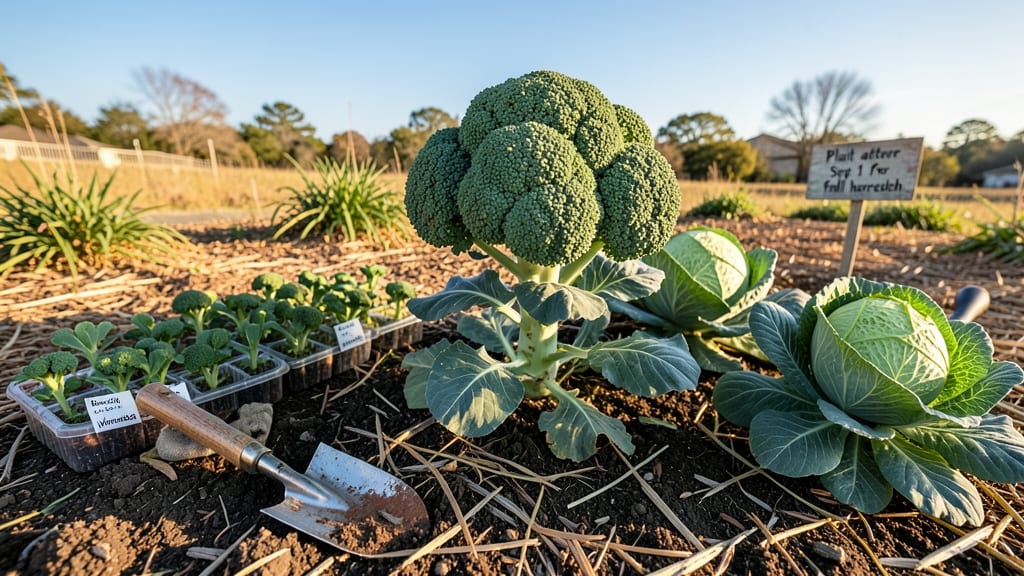
Planting a fall garden in Louisiana means beating the heat and frost with precision timing—your best window starts mid-July for cool-season crops and late August for hardy holdovers.
Louisiana’s long, hot summers can make fall gardening a game-changer—but timing is everything. Plant too early, and you’ll battle heat; too late, and frost ruins your harvest. Here’s your heat-zone-specific roadmap to a thriving fall garden in Louisiana.
Think about it: skipping this window means missing out on crisp greens, sweet carrots, and vibrant flowers that thrive in cooler weather. The key is knowing when to start seeds indoors, when to transplant heat-sensitive crops, and how to stretch the season with row covers or mulch.
Below, I break down the exact planting deadlines by USDA Zone, the top 5 fast-growing crops for Louisiana’s short season, and the mistakes that derail even the most eager gardeners.
Louisiana heat-Zone planting deadlines: exact dates for fall vegetables by USDA Zone
Louisiana’s USDA Zones 8a-9b create unique challenges for fall gardening—too early, and your heat-sensitive greens bolt before harvest, while too late risks early frost damage. The key lies in understanding your specific zone’s last safe planting dates, which vary by crop type and microclimate.
For example, Zone 8a (northern LA) has 4-6 weeks less growing time than Zone 9b (southern LA), where warm-season holdovers like tomatoes can often survive until late November.
To maximize your harvest, I’ve broken down the exact planting windows for both cool-season crops (like lettuce and broccoli) and warm-season holdovers (tomatoes, peppers). These dates account for Louisiana’s humid subtropical climate, where soil stays warm longer and frost arrives unpredictably.
For instance, while Zone 9b may see its first frost in mid-December, Zone 8a gardeners should plan for frost as early as mid-November.
For Zone 8a gardeners, the August 15 deadline for cool-season crops is non-negotiable. If you plant lettuce or spinach after this date, you’ll likely see bolting (premature flowering) due to residual summer heat.
Instead, opt for heat-tolerant varieties like 'Black Seeded Simpson' lettuce or 'Fordhook' giant collards, which handle 90°F+ temperatures better than traditional types.
In Zones 9a-9b, where winters are milder, you can push your fall planting later. For example, I’ve successfully grown baby carrots in Zone 9b until November 15
Top 5 fast-growing fall crops for Louisiana’s short growing season (and how to extend it)
Louisiana’s humid subtropical climate demands quick-harvest crops that thrive in warm soil but tolerate mild fall chill. These five fast growers deliver bounty before frost—if you plant them at the right time and use succession planting tricks.
I’ve grown all of these in USDA Zones 8a-9b and adjusted my schedule to dodge both heat stress and early freezes.
Your fall garden’s success hinges on two things: soil temperature (aim for 60–75°F) and planting intervals every 2–3 weeks. Louisiana’s short window means you’ll need to stagger sowings to keep harvests rolling. Let’s dive into the top performers and how to stretch your growing season like a pro.
- Radishes (25–30 days) – Sow every 10 days from mid-August to early October. Their speed lets you test soil fertility before committing to slower crops. Try 'Cherry Belle' for heat tolerance.
- Bush Beans (50–60 days) – Plant late July to mid-September for a harvest before first frost. Use black-seeded varieties like 'Contender' to resist heat and pests.
- Collards (45–60 days) – Start seeds mid-August to early September. They sweeten after frost, making them perfect for Louisiana’s October chill. Try 'Georgia Southern' for disease resistance.
- Kale (30–60 days) – Direct-sow late August to mid-October. 'Winterbor' handles light frost and keeps producing until December in Zone 8a.
- Turnips (30–50 days) – Plant every 2 weeks from late July for greens and roots. 'Purple Top White Globe' matures quickly and stores well.
To extend your harvest window, I recommend mulching with straw (3–4 inches) to insulate roots and using row covers when nights dip below 40°F. In my Zone 8b garden, this buys me 2–3 extra weeks of growing before hard frost.
For soil prep, mix in composted leaves (rich in potassium) and a balanced fertilizer (10-10-10) to boost cold tolerance.
Pro tip: Succession plant radishes between rows of slower crops like collards. While the collards establish, radishes pop up in 3 weeks, giving you an early harvest and soil coverage to prevent weeds.
I also interplant bush beans with kale—beans fix nitrogen, and kale benefits from their shade as days shorten.
Don’t overlook microclimates. Gardens near southeast-facing fences or water features stay warmer longer. I’ve had kale survive until Christmas in these spots, while other areas froze by November. Test your microclimates by planting a few extra seeds in different locations and monitoring their progress.
Remember: Frost dates vary yearly. Check the Louisiana AgCenter’s frost predictions (typically November 15–December 15 for most of the state) and adjust your last planting by 6–8 weeks before the average first frost.
With these fast growers and smart spacing, you’ll turn Louisiana’s short fall into a harvest goldmine. 🌱