
Planting
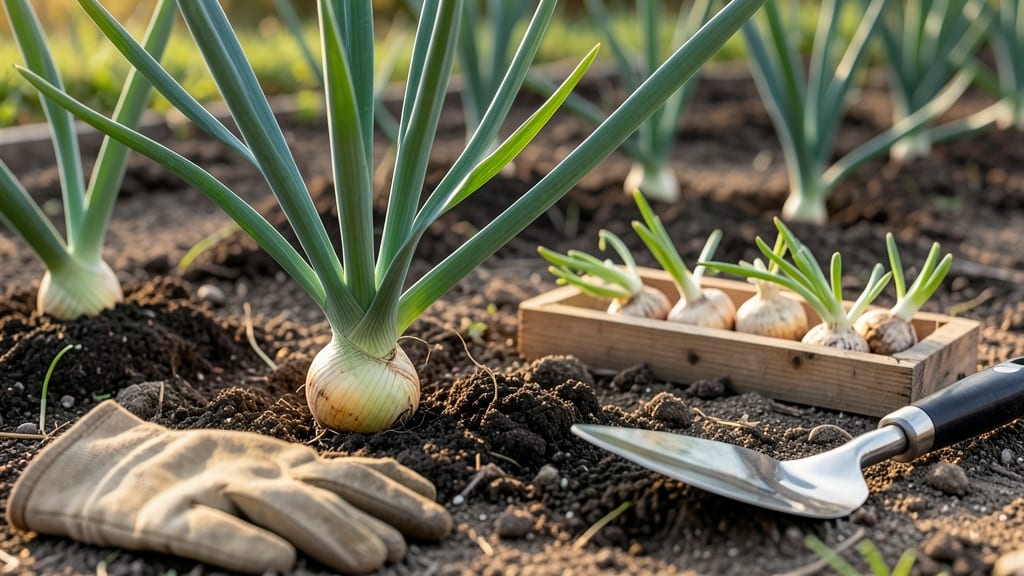
Planting onions in Texas at the right time is the key to plump bulbs and fewer scallions — aim for fall or early spring to beat the heat.
Texas gardeners know timing is everything—and planting onions at the wrong time can mean small bulbs or no harvest at all. But with the right schedule, you can grow sweet, plump 🧅 onions that rival store-bought (or even beat them).
The difference between a thriving harvest and a failed crop often comes down to when you put those sets in the ground.
Fall planting (September–October) gives onions a head start, letting them establish roots before winter chill triggers bulb formation. Meanwhile, early spring (February–March) works for regions with milder winters, like South Texas. Miss these windows, and you’ll end up with leafy green onions instead of the bulbs you’re after.
Below, I break down the exact planting calendar for your Texas zone, soil prep tips to avoid common mistakes, and how to stretch your harvest season. Ready to grow onions that impress?
Why Texas onion planting seasons matter for bulb size and flavor
Texas gardeners know that onions (🧅) thrive on precise timing, and planting them outside the ideal windows can turn your harvest into disappointment. The two key planting seasons—fall and early spring—directly impact bulb size and flavor.
In Texas' USDA zones 7b–10a, temperatures play a critical role in whether your onions grow into plump bulbs or just leafy scallions.
When you plant onions in fall (September–October), cooler temperatures trigger bulb formation, while spring planting (February–March) gives them enough time to mature before summer heat sets in. Miss these windows, and you risk bolting (flowering prematurely) or stunted growth due to Texas' extreme heat and long days.
Here’s why timing matters: Onions need 120–150 days to develop full bulbs, but Texas summers can push them into bolting mode. Planting too late in spring or too early in fall disrupts this cycle, leaving you with small bulbs or no bulbs at all.
Let’s break down the science and best practices for Texas regions.
| Planting Window | Best For | USDA Zones | Bulb Development | Flavor Impact |
|---|---|---|---|---|
| Fall (Sept–Oct) | Spring harvest (April–June) | 7b–9a (North/Central TX) | Full bulbs (1–2" diameter) | Sweet, mild (cooler temps) |
| Early Spring (Feb–March) | Summer harvest (June–July) | 8a–10a (South/Central TX) | Medium bulbs (scallion risk if late) | Pungent (hotter temps) |
| Late Spring (April+) | Scallions only (no bulbs) | All zones | Leafy growth (no bulb formation) | Mild (but no bulbs) |
In North Texas (USDA zones 7b–8a), where frost is a real threat, fall planting is your best bet. Start seeds or sets 60–90 days before your average first frost (usually mid-November).
This gives onions enough time to mature before winter sets in. For example, in Dallas (zone 8a), aim for September 15–October 15 for a spring harvest.
Meanwhile, in South Texas (zones 9a–10a), where frost is rare, you can push fall planting later—even into November. However, the real advantage here is early spring planting (February–March), which avoids the brutal summer heat.
In Houston (zone 9a), planting in late February ensures bulbs form before temperatures exceed 90°F, which triggers bolting.
The day-length requirement is another critical factor. Onions need 12–14 hours of daylight to form bulbs, but Texas summers push daylight to 14+ hours. Planting too late in spring (after April) often results in scallions instead of bulbs because the plants focus on leaf growth to survive the heat.
To avoid this, opt for short-day onion varieties like 'Texas Early White' or 'Yellow Granex' (for green onions).
Temperature also affects flavor development. Cooler fall temperatures produce sweeter, milder onions, while hotter spring/summer temps lead to more pungent bulbs. If you love sweet onions, prioritize fall planting.
For storage onions, spring planting in cooler regions (like North Texas) gives you a balance of size and flavor.
Pro tip: If you’re in Central Texas (zone 8b), like Austin, split your planting between fall (September) and early spring (February). This gives you two harvests: one in late spring and another in early summer.
Just be sure to mulch heavily in fall to protect bulbs from erratic temperature swings.
Finally, don’t overlook soil preparation. Texas soils—especially clay-heavy ones—can stunt bulb growth if not amended with compost or aged manure. Aim for a pH of 6.0–7.0 and ensure well-draining soil to prevent rot.
With the right timing and care, your Texas onion harvest can be bigger, sweeter, and more flavorful than anything you’ll find in the store. 🌱
Step-by-step Texas onion planting calendar by region (north vs. south)
Texas onion planting success depends on your region—North Texas' cooler winters and South Texas' extended growing seasons create two very different planting schedules. In North Texas (Dallas/Fort Worth), frost dates are critical, while South Texas (Houston/San Antonio) gardeners enjoy a longer window.
Let's break down the exact months to plant for bulb formation versus green onions in each zone.
For North Texas (USDA Zone 7b-8a), the ideal planting window is just 4-6 weeks before your last frost date (typically mid-February). South Texas (Zone 8b-10a) can plant 2-3 months earlier due to milder winters. Both regions benefit from a fall planting for spring harvests, but timing varies dramatically.
| Region | Fall Planting (Bulbs) | Spring Planting (Bulbs) | Green Onions | Soil Prep Tip |
|---|---|---|---|---|
| North Texas (Dallas/Fort Worth) | Sept 15–Oct 15 | Feb 1–March 15 | Oct–March (any month) | Test pH 6.0–7.0; amend with compost |
| South Texas (Houston/San Antonio) | Oct 1–Nov 15 | Feb 15–April 1 | Sept–April (year-round) | Add sand for drainage; mulch heavily |
| Both Regions | 60–90 days before frost | 90–120 days before summer heat | Harvest in 45–60 days | Plant 1" deep, 4" apart in rows |
In North Texas, your fall planting should begin by September 15 to allow bulbs to mature before winter. Plant short-day varieties like 'Texas Early White' for best results.
South Texas gardeners can extend their fall window until November 15 thanks to milder temperatures, but avoid planting after December 1 if you want bulbs—later plantings will produce green onions instead.
For spring planting, North Texas gardeners must start by February 1 to avoid bolting from heat. South Texas can plant as late as April 1 but should use shade cloth in May to prevent premature bolting.
Both regions should mulch heavily in spring to retain moisture during Texas' intense summer heat.
Pro tip: Use onion sets (dried immature onions) for fall planting—they're hardier than seeds and establish faster. For spring, start seeds indoors 8–10 weeks before your target transplant date if you're growing from seed. Remember, Texas clay soil needs amendment—mix in compost or aged manure before planting to improve drainage.
🌱